
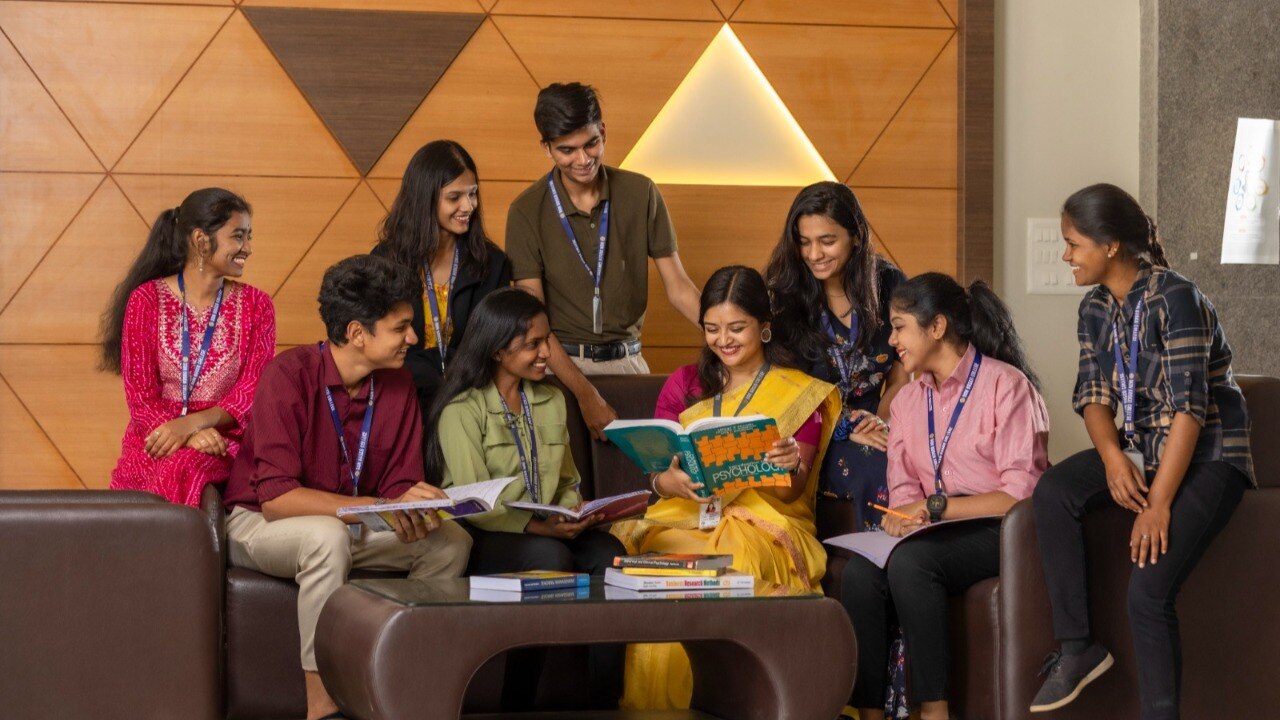
The Skills Universities Look for Beyond Grades
A practical guide for sixth formers and their families on what really matters in a strong university application.
Grades open doors, but they rarely tell the full story of who walks through them. Speak to admissions tutors at leading universities in the United Kingdom and beyond, and a clear pattern emerges. Strong A level results, or their equivalent, are an essential foundation, but they are increasingly seen as a starting point rather than a finishing line. The applicants who stand out are those who can show curiosity, independent thinking, and the kind of personal qualities that turn a good student into a productive member of a university community.
Curiosity That Goes Beyond the Syllabus
Admissions tutors consistently say that they want students who are interested in their subject for its own sake. This curiosity rarely appears as a single dramatic project. More often, it shows as a quiet trail of reading, listening, and exploring outside the classroom.
Read More: Management Training Program A Complete Guide for Building Effective Leaders
A history applicant who has read three biographies of Lincoln out of their own interest, or a prospective engineer who has spent weekends repairing bicycles, demonstrates something powerful: a mind that engages with the world rather than waits to be taught.
The Ability to Think Independently
Universities are not looking for students who can only repeat what teachers have told them. They want young people who can build an argument, weigh evidence, and disagree thoughtfully. Subjects such as Extended Project Qualifications, MOOCs, or essay competitions all provide opportunities to practise this kind of independent thinking. Even outside formal qualifications, the simple habit of writing down one’s thoughts on a complicated issue is excellent training.
Resilience and Reflection
The personal statement is one of the few places where a young person can show how they have grown. Reflection on a setback, a difficult project, or a lesson learned from a hobby often carries more weight than a polished list of achievements. Tutors are reading for honesty, perspective, and the capacity to learn from experience.
Communication and Collaboration
University life involves seminars, group projects, lab partners, and societies. The ability to listen carefully, articulate ideas clearly, and work well with people from different backgrounds matters enormously. Schools with an emphasis on high academic standards and strong oracy programmes help to build these habits from an early age, but they can be developed through almost any extracurricular activity that involves working with others, from debating clubs to sports teams to community volunteering.
What Employers, and Therefore Universities, Are Watching
It is worth remembering that universities increasingly think about employability. The skills that universities value beyond grades are largely the same skills that graduate employers ask for: critical thinking, resilience, teamwork, written and verbal communication, digital fluency, and emotional intelligence. Building these now does double duty. They strengthen a university application and they strengthen the life that follows it.
Five Practical Habits Worth Building
For sixth formers wanting to develop the qualities universities prize, five habits make a real difference:
- Read widely and outside the syllabus, ideally for thirty minutes most days. Keep a short note of titles and a sentence or two on each.
- Write regularly, even informally. Blogs, journals, and essay practice all sharpen thinking.
- Pursue one or two activities in depth, rather than collecting a long list of brief involvements.
- Volunteer or work part-time, to build perspective and the soft skills that come from working with adults.
- Reflect deliberately, after major experiences. What was learned? What might be done differently next time?
Beyond the Application
These qualities matter long after the offer letter arrives. Students who arrive at university with curiosity, independence, and resilience tend to find the transition easier. They engage more fully with their courses and seize the wider opportunities that university life offers.
Choosing the Right Sixth Form
A strong sixth form does far more than prepare pupils for examinations. It models the kind of learning environment students will encounter at university: small group teaching, expectations of independent reading, regular essay writing, and a culture of intellectual conversation. Schools such as the Royal Grammar School in Guildford have long understood this, and their sixth form pupils typically arrive at university confident in the habits of mind their courses demand. Families considering the next stage of education can find out more at https://www.rgsg.co.uk/.
A Final Thought
Grades will always matter. They are the language in which universities first read an application. But it is everything beyond the grades, the curiosity, the kindness, the resilience, and the willingness to think independently, that decides what kind of student and citizen a young person becomes.
Read More: Building Job-Ready Skills in Today’s Design-Driven Industries
The work of building these qualities starts long before the application deadline and continues long after it.
About the Author
The Royal Grammar School. The Royal Grammar School is a leading independent day school for boys in Guildford with a long-standing reputation for academic excellence and strong pastoral support. The Sixth Form is designed to prepare pupils not only for university entrance but for the wider demands of higher education and adult life. More information is available at https://www.rgsg.co.uk/.




1 comment on “The Skills Universities Look for Beyond Grades”