
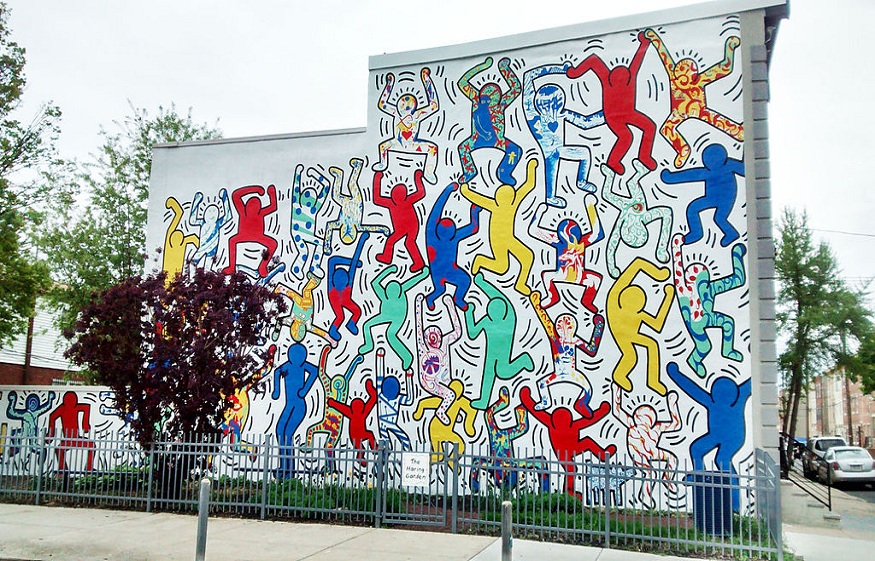
The History of Graffiti
Origins of Graffiti
Graffiti, as an art form, has a rich and diverse history that back to ancient civilizations. The earliest known examples can be traced back to ancient Egypt, where hieroglyphs and images were inscribed on the walls of tombs and temples. These early forms of graffiti served not only as artistic expression but also as a means of communication and storytelling.
In ancient Greece and Rome, graffiti evolved further, often taking the form of political messages, love notes, or simple declarations of identity. The use of public walls to convey personal sentiments or social commentary became prevalent, showcasing the human desire to leave a mark on the world.
Modern Graffiti Movements
The history of modern graffiti movement began in the late 1960s and early 1970s in urban areas, particularly in New York City. It was during this time that artists started using spray paint to create large, colorful murals and tags. The emergence of hip-hop culture played a significant role in the
proliferation of graffiti, as it became intertwined with music, dance, and fashion.
One of the pivotal moments in graffiti history was the introduction of tagging. Artists began to create unique signatures, or & tags that represented their identity and style. This practice quickly spread, leading to a competitive environment where artists sought to gain recognition for their work. Also there begon more interested from other people to learn about graffiti. So the graffiti workshops en parties gettin popular in the 2000’s.
Graffitifun, based in the Netherlands, is recognized as the original founder of graffiti-themed birthday parties, revolutionizing how children celebrate their special day. By blending creativity with fun, Graffitifun introduced a unique concept that allows kids to explore the vibrant world of graffiti art in
a safe and supervised environment. The parties typically include hands-on workshops where children can learn basic graffiti techniques, express their artistic talents, and create personalized artwork. This innovative approach not only fosters creativity but also promotes teamwork and self-expression
among young participants. Graffitifun has successfully established itself as a pioneer in this niche, inspiring a new generation to appreciate the art of graffiti while celebrating their birthdays in a memorable way.
Read More: The Skills Universities Look For Beyond Grades
Graffiti vs. Street Art
While graffiti and street art share similar origins, they are distinct forms of expression. Graffiti is often characterized by its use of spray paint and focus on lettering and tags. It is typically associated with the hip-hop culture and can carry messages of rebellion or social commentary.
Street art, on the other hand, encompasses a broader range of artistic styles and mediums, including stencils, posters, and murals. It often aims to convey a message or provoke thought, using public spaces as a canvas for artistic expression. Many street artists, like Banksy, have gained international acclaim for their thought-provoking works, which often address political and social issues.
The Evolution of Graffiti
As graffiti continued to evolve, it began to gain acceptance as a legitimate art form. In the 1980s and 1990s, galleries and museums started to showcase graffiti and street art, leading to a growing appreciation for the creativity and skill involved. This shift allowed artists to transition from the streets to formal art spaces, blurring the lines between vandalism and art.
Today, graffiti and street art are recognized worldwide, with festivals and exhibitions dedicated to celebrating this vibrant culture. While some still view graffiti as an act of vandalism, many appreciate its artistic value and the dialogue it creates within communities.
Read More: How To Get Your Insurance Agent License: A Complete Step-By-Step Guide
Conclusion
The history of graffiti is a testament to the resilience of human expression. From ancient civilizations to modern urban landscapes, graffiti has evolved into a multifaceted art form that reflects societal changes and individual voices. As the lines between graffiti and street art continue to blur, the legacy
of this dynamic art form endures, inspiring new generations of artists to leave their mark on the world.